



For most of the past decade, artificial intelligence in India was something people talked about at conferences and announced in press releases. Pilots were common; production systems were rare. In the last two years that balance has started to tip. Across banking, retail, logistics and public services, AI tools are moving out of innovation labs and into the daily work of ordinary employees.
The change is not that the models suddenly became good enough, although they did improve. It is that organisations learned, often painfully, what it takes to put a model in front of real customers: clean data, clear ownership, a way to measure whether the system helps, and a plan for when it gets something wrong.
Where it is working
Customer service was the first area to show results at scale. Banks and telecom operators that handle millions of queries a month have deployed assistants that answer routine questions in several Indian languages, hand complex cases to human agents with a summary already written, and flag conversations that suggest fraud. Managers at three large operators told us the biggest gain was not fewer staff but shorter queues and fewer repeat calls.
In lending, models that read bank statements, invoices and GST filings have cut the time to approve a small-business loan from weeks to days. In retail, demand forecasting has helped chains keep fresh produce on shelves without throwing as much of it away. In logistics, route planning tools now account for traffic, weather and the habits of individual delivery partners.
“We stopped asking what AI could do and started asking which form our staff hated filling in. That list was a much better roadmap.” — Kavita Menon, operations head at a mid-sized lender (fictional, for this demo)
The language advantage
India's linguistic diversity was long described as a barrier for technology companies. It is turning into a competitive advantage. Teams that have built speech and text systems for Hindi, Tamil, Bengali, Marathi and a dozen other languages have developed skills in low-resource data collection, transliteration and code-switching that are valuable well beyond India.
Public datasets and open models built for Indian languages have lowered the cost of entry for startups. A small team can now build a voice assistant for farmers in Odia or a document reader for court records in Kannada without first spending years gathering training data. That opens markets that were simply uneconomic to serve a few years ago.
What is still hard
Talk to the engineers doing this work and the list of difficulties is long. Data inside large organisations is scattered across systems that were never meant to talk to each other. Compliance teams, rightly cautious, want to know exactly how a model reached a decision. And the cost of running large models, paid in dollars, weighs heavily on businesses that earn in rupees.
There is also a skills gap that is easy to underestimate. India produces many software engineers, but far fewer people who can design an evaluation, spot a biased dataset or explain to a branch manager why the model should not be trusted for a particular kind of case. Companies that have succeeded tend to pair technical teams with domain experts from the start.
Measuring the impact
One of the more encouraging trends is a turn toward measurement. Instead of counting the number of AI projects, leading firms now track outcomes: minutes saved per case, errors avoided, customers retained. Those numbers are less exciting than announcements, but they are what keep a project funded after the first year.
The public sector
Government services are an increasingly important testing ground. States have piloted assistants that help citizens find the right welfare scheme, chatbots that answer questions about land records and tools that translate court judgements into regional languages. The results are mixed, but the best projects share a pattern: a narrow task, a clear owner inside the department and a way for citizens to reach a person when the system cannot help.
Procurement remains a hurdle. Public tenders are designed for buying hardware and fixed software, not systems that need constant tuning and evaluation. Officials who have run successful pilots say the hardest part was not the technology but writing a contract that paid for outcomes rather than licences.
From promise to impact
India's AI moment will not be defined by a single breakthrough model or a headline-grabbing investment. It will be defined by thousands of small, unglamorous deployments that make services faster, cheaper and easier to reach for people who were poorly served before. The early evidence suggests that is starting to happen. The challenge for the next few years is to make it the rule rather than the exception.
For policymakers, that means investing in shared infrastructure, from compute to datasets, and writing rules that protect people without freezing experimentation. For companies, it means treating AI as an operational discipline rather than a marketing story. And for workers, it means a period of real change in how jobs are done, which deserves honest conversation rather than either hype or alarm.

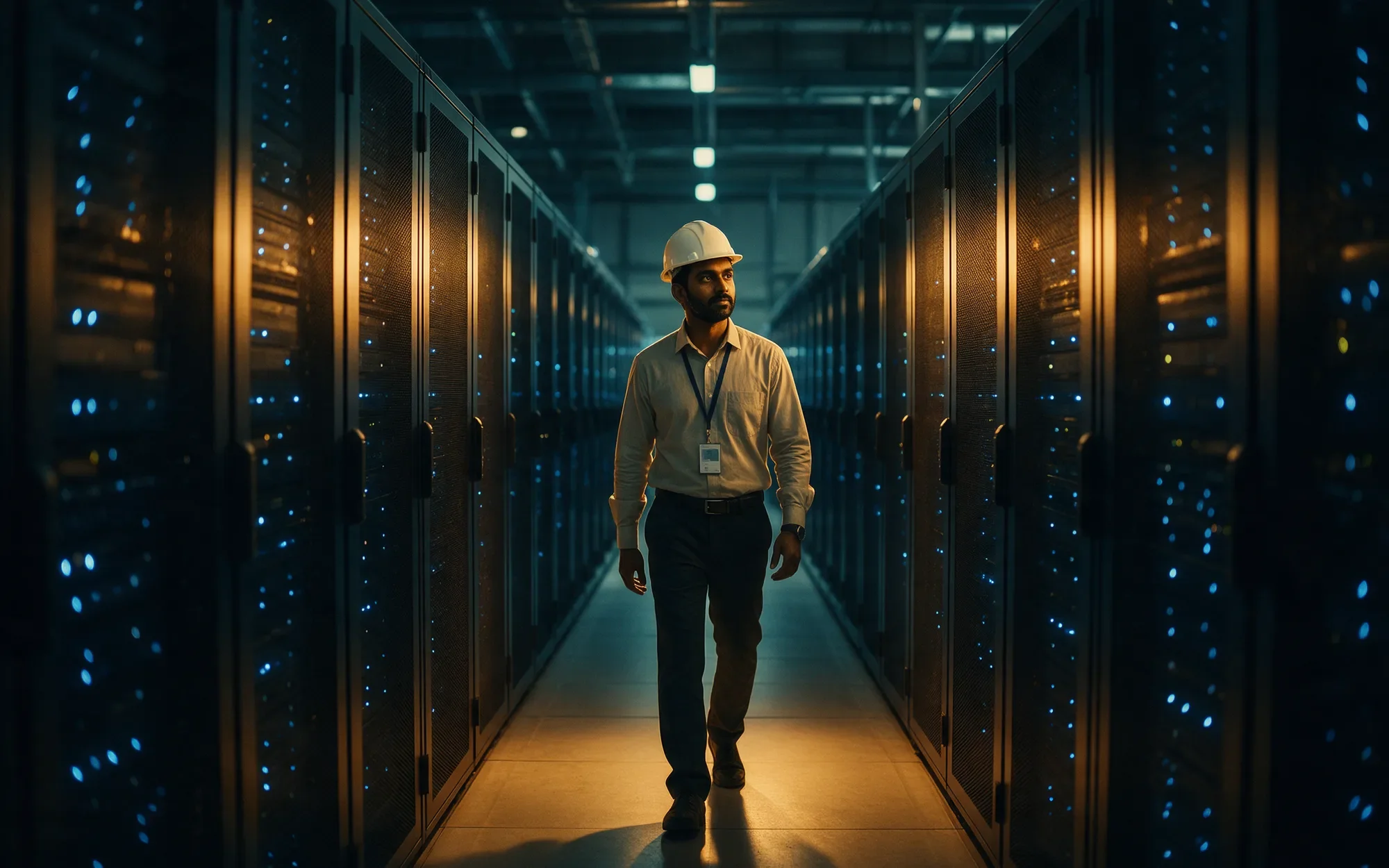
 Kabir Ujjwalan

 Tara Jyotikar

 Ishan Uttaraloka
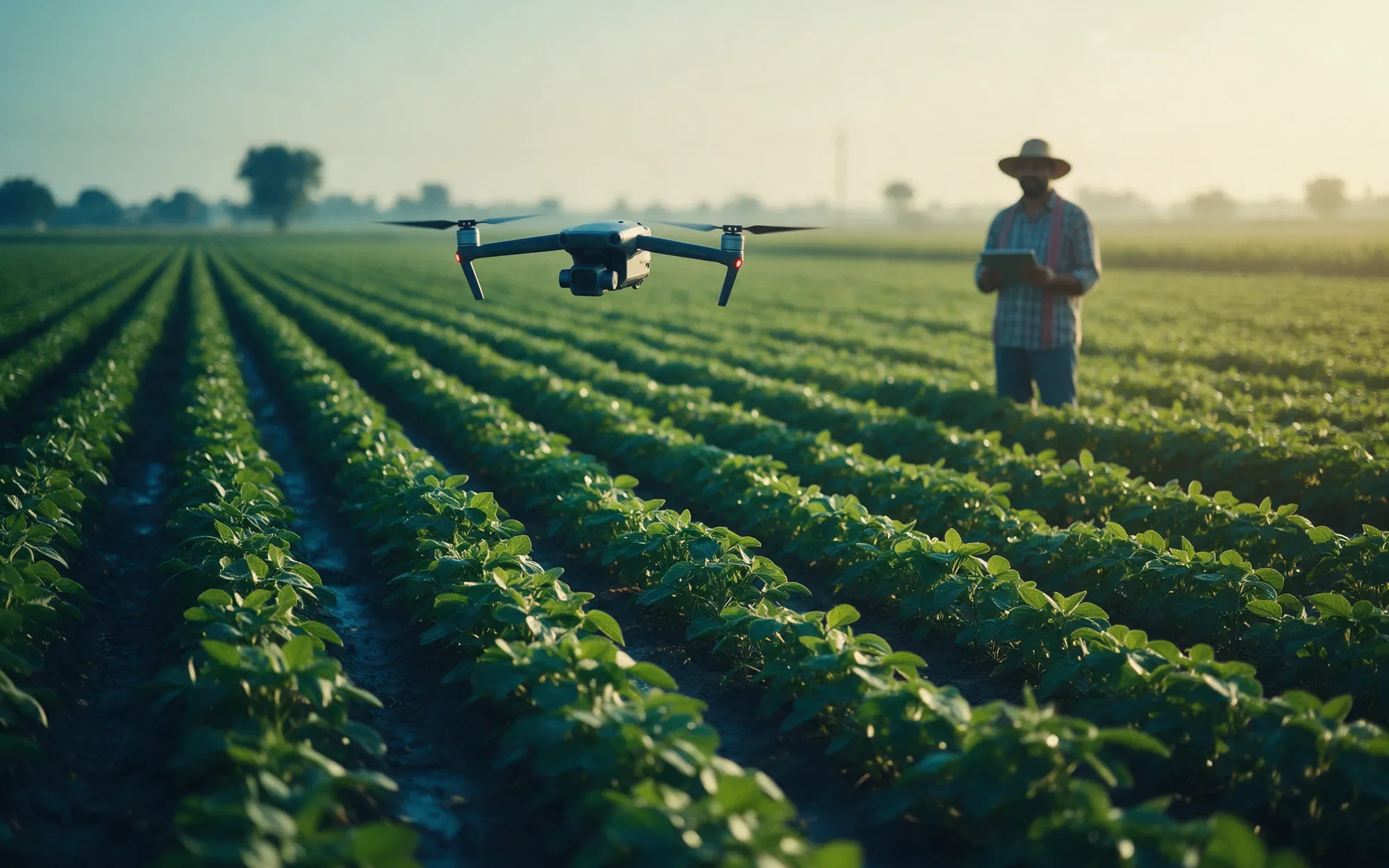
 Nila Deepanvi